Dermatomyositis
What is Dermatomyositis?
Dermatomyositis is a rare inflammatory disease characterized by muscle weakness and a distinctive skin rash. It belongs to a group of conditions called idiopathic inflammatory myopathies.
Causes
-
Autoimmune origin: The immune system mistakenly attacks muscle fibers and skin.
-
Exact cause is unknown but may be triggered by infections, medications, or exposure to certain environmental factors.
-
Sometimes associated with underlying cancers (paraneoplastic syndrome).
Symptoms
Muscle symptoms:
-
Progressive, symmetric muscle weakness (especially proximal muscles like hips, thighs, shoulders).
-
Difficulty climbing stairs, rising from a chair, or lifting objects.
-
Muscle pain or tenderness (less common).
Skin symptoms:
-
Heliotrope rash: Violet or dusky discoloration around the eyelids.
-
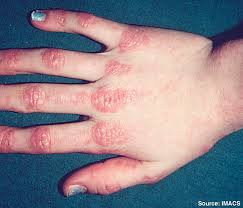
Gottron’s papules: Raised, scaly bumps over knuckles, elbows, knees.
-
Shawl sign: Red or purple rash over shoulders, upper back, and chest.
-
Other rashes on face, neck, scalp.
Other possible symptoms:
-
Fatigue
-
Weight loss
-
Difficulty swallowing (if throat muscles are involved)
-
Lung involvement (interstitial lung disease)
-
Joint pain
Diagnosis
-
Clinical examination (muscle weakness + skin rash).
-
Blood tests: Elevated muscle enzymes (creatine kinase, aldolase).
-
Autoantibodies (e.g., anti-Mi-2, anti-Jo-1).
-
Electromyography (EMG) showing muscle inflammation.
-
Muscle biopsy confirming inflammation and damage.
-
MRI can show muscle inflammation.
-
Skin biopsy if needed.
Treatment
Conventional (Allopathic) Treatment:
-
Corticosteroids (prednisone) to reduce inflammation.
-
Immunosuppressants (methotrexate, azathioprine, mycophenolate).
-
Intravenous immunoglobulin (IVIG) in severe cases.
-
Physical therapy to maintain muscle strength and function.
Homeopathic Treatment:
-
Remedies are individualized; commonly used include Rhus toxicodendron, Calcarea carbonica, and Arnica montana depending on symptoms.
-
Homeopathy may support symptom relief but should not replace conventional treatment in severe cases.
Ayurvedic Treatment:
-
Focus on balancing Vata and Pitta doshas.
-
Use of anti-inflammatory herbs like Ashwagandha, Guduchi, Turmeric.
-
Panchakarma therapies to detoxify.
-
Dietary modifications to reduce inflammation.
-
Yoga and gentle exercises to improve muscle strength.
Prognosis
-
Variable; some respond well to treatment, others may have a chronic course.
-
Early treatment improves outcomes.
-
Possible complications include calcinosis (calcium deposits), lung disease, and increased risk of malignancy.
Summary
| Aspect | Description |
|---|---|
| Disease type | Autoimmune inflammatory muscle and skin disease |
| Main symptoms | Muscle weakness, characteristic skin rash |
| Diagnosis | Clinical, blood tests, biopsy, imaging |
| Treatment | Steroids, immunosuppressants, physical therapy; Homeopathy & Ayurveda as complementary |
| Prognosis | Variable; early intervention key |