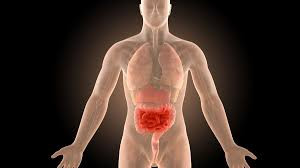
Crohn’s Disease/Colitis
What are Crohn’s Disease and Ulcerative Colitis?
Crohn's disease and ulcerative colitis are both inflammatory bowel diseases (IBD) that cause chronic inflammation in the digestive tract. Although they share some similarities, they differ in terms of location, severity, and the nature of the inflammation.
- Crohn’s Disease:
- A chronic condition that causes inflammation in any part of the digestive tract, from the mouth to the anus. It often affects the small intestine and large intestine, but can involve deeper layers of the bowel wall.
- Primarily affects the colon and rectum, causing long-lasting inflammation and ulcers. Unlike Crohn's disease, ulcerative colitis is confined to the inner lining of the colon and rectum.
Causes of Crohn’s Disease and Ulcerative Colitis
The exact causes of both conditions are still unknown, but several factors may contribute:
- Immune System Dysfunction: In both diseases, the immune system mistakenly attacks the digestive tract, causing inflammation.
- Genetic Factors: A family history of IBD increases the risk of developing either condition.
- Environmental Triggers: Factors such as diet, stress, infections, and smoking can trigger or worsen IBD.
Symptoms of Crohn’s Disease and Ulcerative Colitis
Both Crohn’s disease and ulcerative colitis share some symptoms, but there are also distinctive differences:
Common Symptoms:
- Abdominal Pain: Persistent, crampy pain, particularly in the lower abdomen.
- Diarrhea: Often with blood or mucus, especially in ulcerative colitis.
- Fatigue: Due to chronic inflammation and nutrient malabsorption.
- Weight Loss: Caused by nutrient deficiencies or loss of appetite.
- Fever: Low-grade fever due to inflammation.
- Rectal Bleeding: More common in ulcerative colitis.
- Urgency: A sudden and urgent need to pass stool.
- Loss of Appetite: Particularly in Crohn’s disease, where the inflammation can lead to malabsorption.
Distinctive Symptoms:
- Crohn’s Disease:
- Can affect the entire digestive tract, including the mouth and anus. It can cause fistulas (abnormal connections between parts of the intestine), abscesses, and strictures (narrowing of the intestines).
- Ulcerative Colitis:
- Primarily affects the colon and rectum, causing ulcers and continuous inflammation. It tends to involve only the inner lining of the colon and is associated with more frequent bouts of bloody diarrhea.
Homeopathic Treatments for Crohn’s Disease and Ulcerative Colitis
Homeopathy seeks to stimulate the body’s healing mechanisms using highly diluted natural substances. Homeopathic remedies for IBD aim to manage inflammation, relieve symptoms, and improve the overall immune function.
Common Homeopathic Remedies:
- Mercurius Solubilis:
- For severe diarrhea with blood and mucus. Useful when the person experiences frequent, urgent stools, often with a feeling of incomplete evacuation.
- For intestinal inflammation with symptoms like burning pain and weakness, especially when the person feels anxious and restless.
- For bloating, indigestion, and abdominal discomfort. Often recommended for people who experience gastritis and stomach issues alongside IBD.
- For those experiencing irritability, nausea, and constipation, commonly seen in individuals with stress-induced digestive issues.
- For bone and joint pain associated with IBD, especially when the disease has led to malnutrition or poor absorption of nutrients.
- For skin issues like rashes or itching, which may accompany digestive disturbances, or when the individual has a tendency to feel warm, flushed, and sweaty.
- For those with chronic constipation and dryness in the mucous membranes, especially if there is a history of emotional stress related to the onset of symptoms.
Dosage and Usage:
- Potencies like 30C, 200C, or 1M are commonly prescribed, depending on the severity of the condition.
- It is important to consult a qualified homeopath to get individualized treatment based on specific symptoms and constitution.
Ayurvedic Treatments for Crohn’s Disease and Ulcerative Colitis
Ayurveda, a holistic system of medicine from India, focuses on restoring balance among the body's energies (doshas): Vata, Pitta, and Kapha. Ayurveda treats Crohn’s disease and ulcerative colitis by addressing the root cause of the condition, reducing inflammation, and improving digestion.
Ayurvedic Herbs for IBD Relief:
- Turmeric (Curcuma longa):
- Anti-inflammatory and antioxidant properties that help reduce inflammation in the gut. Curcumin, the active compound, is particularly effective in managing flare-ups.
- Known for its healing and soothing properties. Aloe vera helps reduce intestinal inflammation, heal ulcers, and alleviate symptoms of diarrhea.
- Used to improve digestion, reduce nausea, and reduce abdominal pain associated with IBD.
- A combination of Amla (Indian gooseberry), Haritaki, and Bibhitaki fruits that help detoxify the body and promote bowel regularity. It is useful for managing constipation or diarrhea associated with IBD.
- Adaptogenic herb that helps reduce stress, which can trigger or worsen flare-ups of IBD.
- Effective in controlling diarrhea and intestinal inflammation, and helps in healing ulcers.
- Known for its anti-inflammatory properties, licorice root helps soothe the gut lining and is effective for healing ulcers in the colon.
Ayurvedic Treatments:
- Panchakarma Detoxification:
- A series of Ayurvedic cleansing treatments, such as Virechana (purgation) and Basti (enema therapy), are used to detoxify the body, balance the doshas, and reduce inflammation.
- Nasal therapies using herbal oils can help clear toxins from the head region and improve overall digestion and respiratory function.
- Massaging the body with medicated oils helps balance the doshas, reduce stress, and improve circulation, which can support the digestive system.
Dietary Recommendations:
- Eat easily digestible foods: Such as cooked vegetables, soups, and grains like rice. Avoid raw, heavy, or spicy foods.
- Follow a Pitta-balancing diet: Avoid hot, spicy, or acidic foods, and incorporate cooling foods like cucumbers, coconut, and dairy.
- Hydration: Drink warm water and herbal teas to keep the digestive system hydrated and support the detoxification process.
- Avoid foods that trigger symptoms: Such as dairy, gluten, and high-fat or fried foods.
Conclusion
Both Crohn’s disease and ulcerative colitis are chronic inflammatory bowel diseases that require long-term management. Homeopathic and Ayurvedic treatments offer holistic approaches to managing the symptoms and reducing flare-ups. Homeopathy uses natural remedies to address inflammation and immune system function, while Ayurveda emphasizes balancing the body’s doshas, improving digestion, and detoxifying the system. As with any chronic illness, it is important to consult with a qualified healthcare provider or practitioner to develop a comprehensive treatment plan tailored to individual needs.