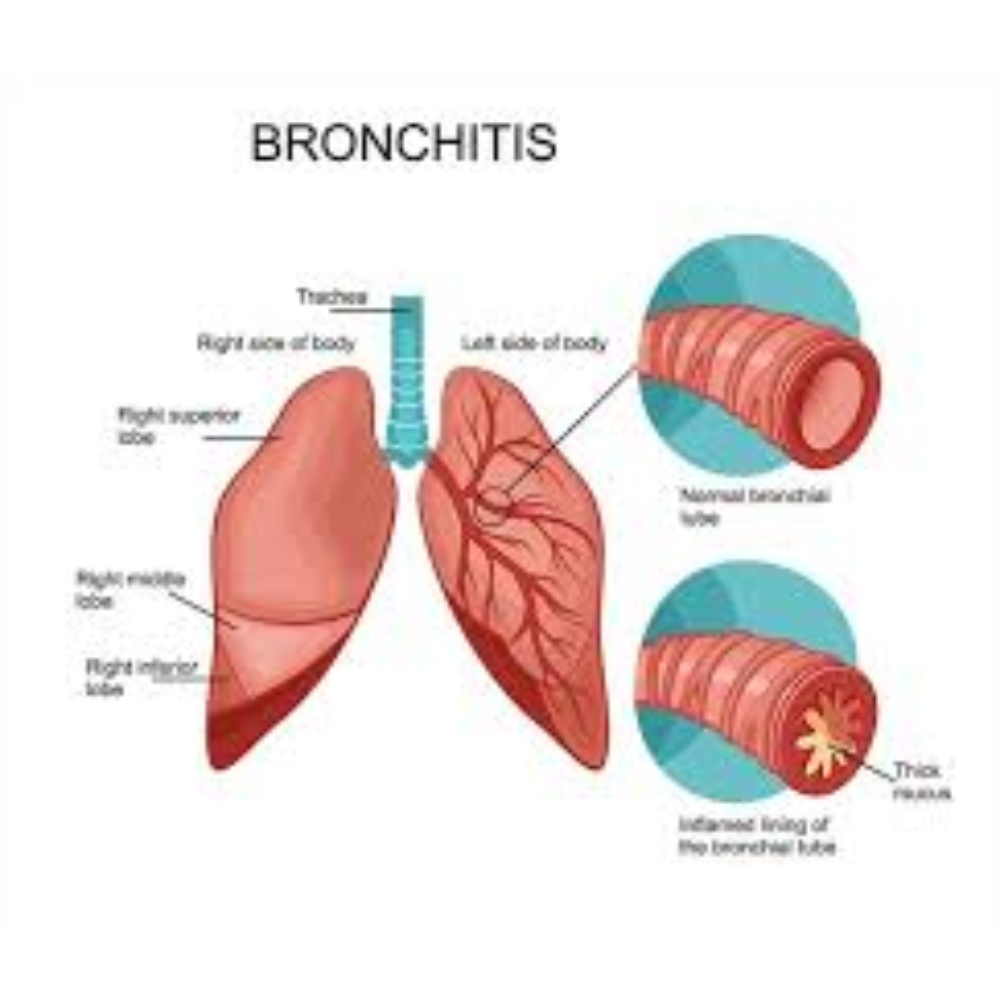
Bronchitis
What is Bronchitis?
Bronchitis is an inflammation of the bronchial tubes (airways) in the lungs. These tubes carry air to and from your lungs, and when they become inflamed, they produce more mucus, leading to coughing and difficulty breathing. Bronchitis can be classified as acute or chronic:
- Acute Bronchitis: Often develops after a cold or viral infection, and it typically lasts for a few days to weeks.
- Chronic Bronchitis: A long-term condition that is part of chronic obstructive pulmonary disease (COPD). It is characterized by ongoing inflammation and excessive mucus production.
Causes of Bronchitis
The causes of bronchitis vary based on whether it is acute or chronic:
- Acute Bronchitis:
- Viral infections, such as the common cold or flu, are the most common cause.
- Bacterial infections can also lead to acute bronchitis.
- Irritants like smoke, dust, and air pollution can also trigger bronchial inflammation.
- Chronic Bronchitis:
- Smoking is the leading cause of chronic bronchitis.
- Long-term exposure to irritants, such as second-hand smoke, dust, fumes, and chemicals, can also contribute to the development of chronic bronchitis.
Symptoms of Bronchitis
The symptoms of bronchitis can range from mild to severe, depending on the type (acute or chronic) and the individual’s overall health. Common symptoms include:
- Coughing: Often with mucus (phlegm) production, which may be clear, yellow, or green.
- Wheezing: A high-pitched whistling sound when breathing.
- Shortness of Breath: Difficulty breathing, especially after physical activity or during respiratory infections.
- Chest Discomfort: Tightness or pain in the chest due to inflammation in the airways.
- Fatigue: Feeling unusually tired or weak.
- Sore Throat: Often accompanies bronchitis, especially if it’s caused by a viral infection.
- Fever: A low-grade fever may occur in acute bronchitis.
Diagnosis of Bronchitis
To diagnose bronchitis, a doctor will typically perform the following:
- Physical Examination: Listening to the lungs with a stethoscope to detect wheezing or abnormal sounds.
- Chest X-ray: To rule out pneumonia or other lung conditions.
- Sputum Test: A sample of mucus may be tested to determine whether the infection is viral or bacterial.
- Pulmonary Function Tests: To assess the lung function, especially in chronic bronchitis or suspected COPD.
Homeopathic Treatments for Bronchitis
Homeopathic treatments for bronchitis focus on alleviating symptoms such as coughing, wheezing, and difficulty breathing, while also strengthening the immune system. Homeopathy uses highly diluted substances to stimulate the body’s natural healing process.
Common Homeopathic Remedies for Bronchitis
- Bryonia:
- For a dry, painful cough that worsens with movement. The person may feel better when lying still and may have a dry mouth and thirst.
- Useful for a productive cough with thick mucus that is difficult to expectorate. The person may feel weak and short of breath.
- For severe coughing with a sensation of nausea and vomiting. The cough is constant, and the chest feels tight.
- For a cough with thick, stringy mucus that is difficult to expectorate. There may be a sensation of obstruction in the chest.
- For a dry, barking cough that worsens at night. The cough sounds like a seal barking and is accompanied by a feeling of suffocation.
- Suitable for a dry, burning cough with difficulty breathing. The individual may be sensitive to cold air and may have a hoarse voice.
Usage Guidelines
- Potency: Common potencies used in bronchitis treatment are 30C or 200C.
- Dosage: Consult a qualified homeopath for personalized remedies and dosages based on individual symptoms.
Ayurvedic Treatments for Bronchitis
In Ayurveda, bronchitis is typically related to an imbalance in the Kapha dosha (which governs mucus production) and sometimes Vata dosha (responsible for air movement). Ayurvedic treatments aim to balance the doshas, reduce inflammation, and clear excess mucus from the lungs.
Ayurvedic Herbs for Bronchitis
- Tulsi (Holy Basil):
- Known for its anti-inflammatory, antioxidant, and antimicrobial properties, Tulsi is commonly used to relieve respiratory issues, reduce mucus production, and support lung health.
- Ginger is a powerful anti-inflammatory and expectorant that helps break down mucus and reduces inflammation in the airways.
- Used to soothe the throat, reduce cough, and promote expectoration of mucus. Licorice is also known for its ability to balance the respiratory system.
- An excellent herb for respiratory conditions, Pippali promotes deep respiratory function, helps expel mucus, and supports lung health.
- A combination of honey and turmeric is often used to soothe inflammation in the throat, clear mucus, and strengthen the immune system.
- Known for its bronchodilator properties, Vasaka is effective in treating conditions like asthma and bronchitis by helping to relax the airways and expel mucus.
Ayurvedic Treatments for Bronchitis
- Steam Inhalation:
- Inhaling steam infused with Ayurvedic herbs like Eucalyptus or Tulsi can help clear mucus from the lungs and relieve congestion.
- Using medicated oils such as Anu Taila for nasal instillation can help clear mucus from the sinuses and promote better breathing.
- This detoxification therapy involves a series of treatments, such as Virechana (purgation) or Vamana (vomiting therapy), to eliminate toxins and balance the doshas, which is useful in managing chronic bronchitis.
- This rejuvenation therapy involves the use of specific herbs to enhance immunity and overall vitality, which can help reduce the frequency of bronchitis episodes.
Dietary Recommendations
- Warm, Light Foods:
- Easily digestible foods such as soups, stews, and khichdi help balance Kapha dosha and support the immune system.
- Cold drinks, fried foods, and dairy can increase mucus production and aggravate symptoms of bronchitis.
- Incorporate anti-inflammatory and expectorant spices such as turmeric, ginger, cinnamon, and black pepper into the diet.
- Drink warm water or herbal teas (like Ginger tea or Tulsi tea) to help thin the mucus and support respiratory function.
Lifestyle Recommendations
- Breathing Exercises:
- Pranayama (breathing exercises) can help strengthen the lungs, improve airflow, and reduce stress. Techniques like Anulom Vilom (alternate nostril breathing) and Kapalbhati (forced exhalation) are beneficial.
- Limit exposure to pollutants, smoke, and allergens that may trigger bronchitis or worsen symptoms.
- Moderate physical activity like walking or yoga can improve lung function, reduce stress, and help manage symptoms.
- Proper rest is essential to allow the body to heal and recover from respiratory infections or inflammation.
Conclusion
Bronchitis, whether acute or chronic, can be managed effectively with homeopathic and Ayurvedic treatments. Homeopathy addresses the symptoms of bronchitis by selecting individual remedies that match the person’s overall state, while Ayurveda emphasizes restoring balance to the doshas through herbal remedies, dietary changes, and therapeutic practices. In both approaches, lifestyle changes and natural remedies play an important role in reducing inflammation, expelling mucus, and improving lung health. Always consult a qualified practitioner before beginning any treatment plan, especially for chronic or severe bronchitis.