Benign Prostatic Hyperplasia
What is Benign Prostatic Hyperplasia (BPH)?
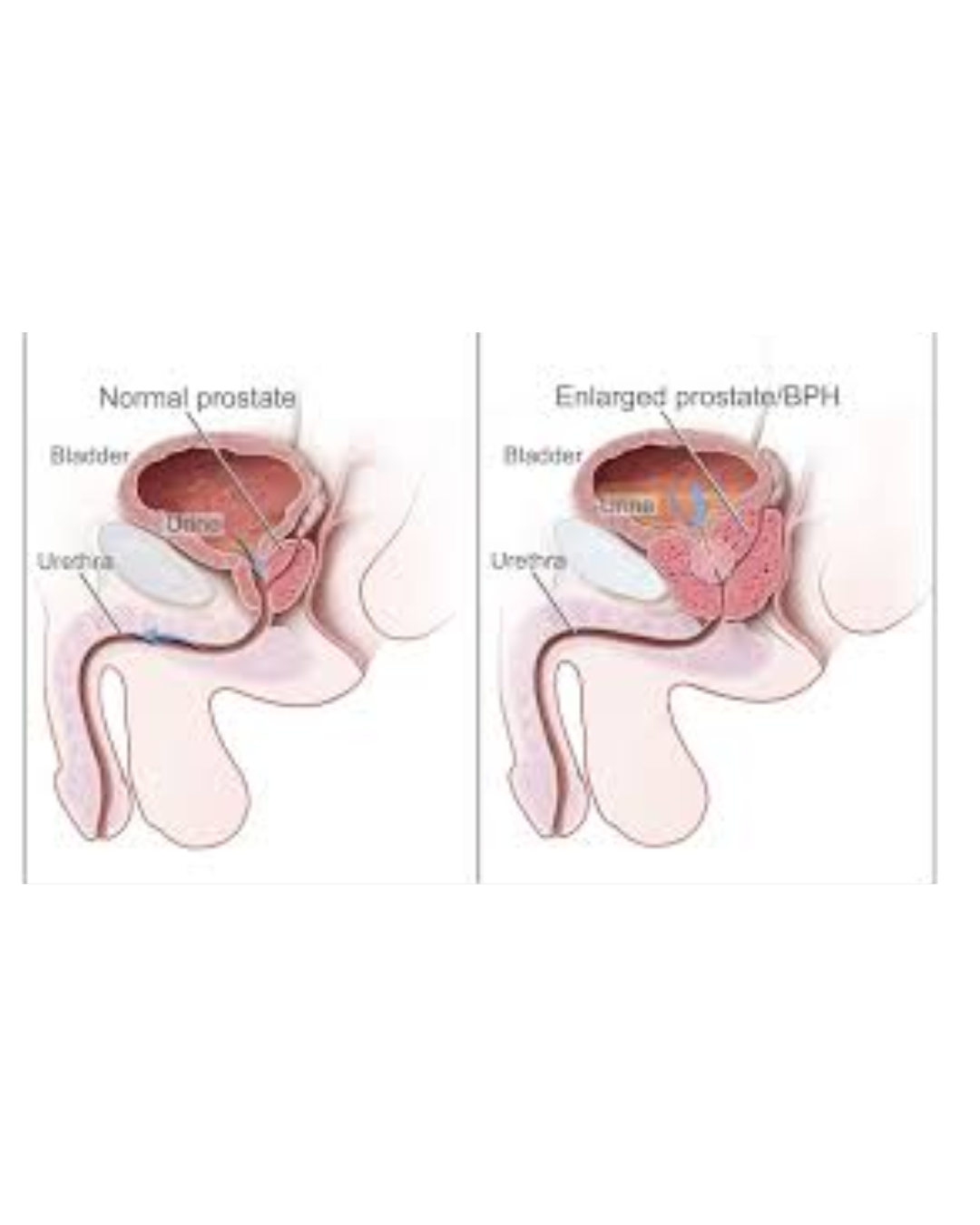
Benign Prostatic Hyperplasia (BPH) is a non-cancerous enlargement of the prostate gland that commonly occurs as men age. The prostate gland, which is located below the bladder and in front of the rectum, plays a key role in the production of seminal fluid. When the prostate becomes enlarged, it can press against the urethra (the tube that carries urine from the bladder), leading to urinary symptoms.
BPH is not associated with prostate cancer, but it can cause significant discomfort and disrupt daily life due to its impact on urinary function.
Causes of BPH
The exact cause of BPH is not fully understood, but several factors are believed to contribute to its development:
- Aging:
- BPH is more common in men over 50 and increases in severity with age.
- Hormonal Changes:
- Changes in the balance of hormones, particularly an increase in estrogen relative to testosterone, are thought to play a role in the enlargement of the prostate.
- Genetics:
- Family history and genetics may increase the likelihood of developing BPH.
- Lifestyle Factors:
- Obesity, a sedentary lifestyle, and high-fat diets are considered potential risk factors.
Symptoms of Benign Prostatic Hyperplasia
The symptoms of BPH are primarily related to the bladder and urinary system and may vary in severity. Common symptoms include:
- Frequent Urination:
- Increased need to urinate, especially at night (nocturia).
- Urgency to Urinate:
- A sudden, compelling urge to urinate.
- Weak Urine Stream:
- Difficulty starting urination or a weak, interrupted urine flow.
- Incomplete Bladder Emptying:
- A sensation that the bladder is not completely empty after urination.
- Straining During Urination:
- The need to strain or push to initiate urination.
- Dribbling:
- Dribbling of urine after finishing urination.
- Blood in Urine:
- In rare cases, blood may appear in the urine, which could indicate other issues such as infection or complications from BPH.
Diagnosis of BPH
A doctor typically diagnoses BPH through a combination of:
- Physical Examination:
- A digital rectal exam (DRE) is performed to feel the size and shape of the prostate.
- Urine Tests:
- To rule out infections or other urinary issues.
- Prostate-Specific Antigen (PSA)
Test:
- A blood test to check for elevated levels of PSA, which may indicate prostate problems (although high PSA is not exclusive to BPH).
- Ultrasound:
- To measure the size of the prostate and assess bladder function.
- Urodynamic Testing:
- To evaluate bladder pressure and function.
Homeopathic Treatments for BPH
Homeopathy treats BPH by considering the individual's unique symptoms and constitutional state. Remedies are selected to stimulate the body's healing abilities and restore balance.
Common Homeopathic Remedies for BPH
- Sabal Serrulata (Saw Palmetto):
- One of the most commonly used homeopathic remedies for BPH, especially when there is difficulty urinating, frequent urination, and a sense of incomplete emptying of the bladder.
- Indicated when the prostate is swollen and painful, particularly with a sensation of pressure in the pelvic area and frequent urination with a small amount of output.
- Useful when urination is painful or the individual has difficulty urinating despite the urge. It is often recommended when the urine stream is weak and interrupted.
- A remedy for men who experience intense urgency to urinate with difficulty starting the stream, often accompanied by a sense of heaviness in the pelvic area.
- Indicated for cases where BPH is accompanied by frequent and dribbling urination, as well as a sense of incomplete emptying of the bladder.
- Suitable for older men with prostate enlargement, particularly when there is a sensation of weakness or exhaustion accompanying urinary symptoms.
Usage Guidelines
- Potency: Common potencies are 30C or 200C, depending on the severity of symptoms.
- Dosage: Consult a qualified homeopath to determine the appropriate dosage and remedy based on individual symptoms.
Ayurvedic Treatments for BPH
Ayurveda treats BPH by addressing the root cause of prostate enlargement, which is often linked to an imbalance of the Vata and Pitta doshas. The treatment aims to restore balance through diet, lifestyle modifications, and herbal remedies to reduce inflammation and improve urinary function.
Ayurvedic Herbs for BPH
- Saw Palmetto (Serenoa repens):
- Known for its ability to reduce prostate enlargement and improve urinary flow. It is commonly used to relieve symptoms of BPH, such as frequent urination and weak stream.
- A powerful herb for improving urinary function and reducing inflammation in the prostate. It is often used to promote healthy kidney and bladder function.
- Known for its ability to reduce swelling and inflammation in the prostate, Kanchanar is commonly used to treat BPH and other prostate issues.
- Used to support kidney and urinary health, Punarnava can help reduce swelling and promote fluid balance in the body.
- A well-known adaptogen that helps reduce stress and inflammation, which may contribute to prostate health.
- Known for its anti-inflammatory properties, turmeric can help reduce prostate inflammation and improve overall health.
Ayurvedic Therapies for BPH
- Basti (Medicated Enema Therapy):
- Basti therapy helps to balance Vata dosha and is often used to reduce inflammation and improve urinary function.
- A relaxing therapy that involves the gentle pouring of warm oil on the forehead, which can help reduce stress and anxiety, factors that can worsen urinary symptoms.
- A special Ayurvedic treatment in which herbal oils are infused into the urinary tract to reduce prostate inflammation and improve urinary flow.
- Regular full-body oil massages using Vata-balancing oils like Bala Ashwagandha oil can help improve circulation, reduce stress, and promote overall health.
Dietary Recommendations
- Increase Fiber:
- A diet rich in fruits, vegetables, and whole grains can help reduce inflammation and improve overall prostate health.
- Spicy foods and excessive oil may aggravate Pitta dosha and increase inflammation in the body.
- A high intake of red meat and dairy products may contribute to BPH symptoms; opting for plant-based proteins is beneficial.
- Foods containing turmeric, ginger, garlic, and cumin can help reduce inflammation and improve prostate health.
Lifestyle Recommendations
- Regular Exercise:
- Engaging in regular physical activity, such as walking, yoga, or swimming, can help improve circulation, reduce weight, and manage symptoms of BPH.
- Staying hydrated by drinking plenty of water is important, but it is best to avoid excessive fluid intake before bedtime to minimize nocturia.
- Practicing pelvic floor exercises (Kegel exercises) can help improve urinary control and strengthen the bladder.
- Managing stress through meditation, deep breathing, or yoga can help reduce the severity of BPH symptoms, particularly in those with an emotional component.
Conclusion
Benign Prostatic Hyperplasia is a common condition among older men, but it can be managed effectively with both homeopathic and Ayurvedic treatments. Homeopathy focuses on individualized remedies to restore balance and support healing, while Ayurveda emphasizes holistic approaches, including diet, lifestyle changes, and herbal remedies. Consulting with a qualified practitioner in both systems is recommended to create a personalized treatment plan. In more severe cases, medical intervention may be necessary, but these natural treatments can complement conventional methods and offer symptom relief.