Bell's Palsy
What is Bell’s Palsy?
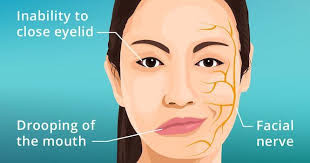
Bell’s Palsy is a condition characterized by the sudden, temporary weakness or paralysis of the muscles on one side of the face. It is caused by inflammation of the facial nerve (cranial nerve VII), which controls the muscles responsible for facial expression, as well as some functions of the taste, tear, and saliva production.
The exact cause of Bell’s Palsy remains unclear, but it is thought to be related to viral infections, such as the herpes simplex virus, which causes cold sores. It is important to note that Bell’s Palsy is not a stroke and does not affect the brain or the underlying structure of the face.
Causes of Bell’s Palsy
- Viral Infections:
- Common viruses linked to Bell’s Palsy include the herpes simplex virus (HSV), varicella-zoster (the virus responsible for shingles), and Epstein-Barr virus.
- Genetic Predisposition:
- Some individuals may be more genetically predisposed to develop Bell’s Palsy.
- Immune System Dysfunction:
- The immune system may mistakenly attack the facial nerve, leading to inflammation and paralysis.
- Pregnancy:
- Women in their third trimester of pregnancy, especially those with preeclampsia, have an increased risk.
- Cold Exposure:
- Sudden exposure to cold or wind on the face may trigger the condition in some individuals.
- Diabetes:
- People with diabetes may have a higher risk of developing Bell’s Palsy due to nerve damage and compromised immunity.
Symptoms of Bell’s Palsy
- Sudden Facial Weakness:
- The hallmark symptom is the sudden weakness or paralysis of one side of the face. This typically appears within hours and worsens over a period of 48-72 hours.
- Drooping of the Mouth and
Eyelid:
- The affected side of the face may have a drooping mouth and eyelid, making it difficult to smile, close the eye, or make facial expressions.
- Facial Asymmetry:
- The face may appear uneven, with one side of the face appearing stiff or unresponsive.
- Loss of Taste:
- A person may experience a loss of taste sensation on the front two-thirds of the tongue on the affected side.
- Pain or Discomfort Behind the
Ear:
- Mild pain or discomfort may occur around or behind the ear on the affected side, often preceding or accompanying the paralysis.
- Tearing and Drooling:
- Dryness or excessive tearing may occur, as well as drooling due to difficulty closing the mouth or controlling saliva.
- Sensory Disturbances:
- Some individuals report increased sensitivity to sound (hyperacusis) in the affected ear.
- Numbness:
- A feeling of numbness or tingling may accompany the weakness or paralysis.
Diagnosis of Bell’s Palsy
A healthcare provider typically diagnoses Bell’s Palsy based on a physical examination and the patient’s symptoms. In some cases, additional tests may be conducted to rule out other potential causes of facial paralysis, such as:
- MRI or CT Scan:
- To exclude other conditions, such as a stroke or tumor.
- Blood Tests:
- To check for underlying infections or autoimmune diseases that may cause facial nerve inflammation.
Homeopathic Treatments for Bell’s Palsy
Homeopathy treats Bell’s Palsy by focusing on restoring balance and stimulating the body’s natural healing process. The remedies are selected based on individual symptoms, including the onset, degree of facial weakness, and emotional state.
Common Homeopathic Remedies for Bell’s Palsy
- Causticum:
- Indicated for sudden onset of paralysis or weakness, particularly when there is difficulty in moving the face or mouth. The person may feel a sensation of tightness in the affected side of the face.
- Useful when the facial paralysis starts on one side and spreads to the other. Lachesis is indicated for individuals who are more sensitive to touch, heat, and emotion.
- Helpful when the paralysis is triggered by emotional stress or excess work. Nux Vomica is often used in cases of sudden onset and irritability, with a tendency for the affected side of the face to feel stiff or tight.
- Best for cases with a rapid onset, causing a feeling of coldness or restlessness along with facial weakness. Individuals may feel anxious and need a sense of control.
- Suitable for cases where there is generalized weakness, heavy eyelids, and difficulty moving the face, often accompanied by a sensation of dizziness or lack of coordination.
- Effective for individuals who experience facial paralysis along with anxiety, fear, or a strong sensitivity to their surroundings. The remedy is helpful when the paralysis causes difficulty in facial expression.
Usage Guidelines
- Potency: Remedies are typically used in potencies like 30C, 200C, or higher.
- Dosage: Consult a qualified homeopath for personalized treatments and dosage according to your or the patient’s symptoms.
Ayurvedic Treatments for Bell’s Palsy
Ayurvedic treatment for Bell’s Palsy focuses on balancing the body's doshas, particularly Vata (associated with movement) and Pitta (associated with inflammation), to treat the underlying causes of facial nerve inflammation and paralysis. It also emphasizes detoxification, nerve strengthening, and improving circulation.
Ayurvedic Herbs for Bell’s Palsy
- Ashwagandha (Withania somnifera):
- Known for its ability to calm the nervous system, reduce inflammation, and enhance overall vitality. It is often used to restore balance and support nerve health.
- Helps to improve cognitive function, reduce stress, and strengthen the nervous system, making it beneficial for nerve regeneration and muscle control.
- Contains curcumin, which has potent anti-inflammatory and antioxidant properties. It can help reduce inflammation in the affected nerve and promote healing.
- An immunity-boosting herb that can support overall health, including reducing inflammation and promoting nerve health.
- Known to enhance circulation and stimulate the nervous system, Vacha is used in Ayurveda to treat neurological disorders and promote nerve regeneration.
Ayurvedic Therapies for Bell’s Palsy
- Abhyanga (Oil Massage):
- Regular massage using warm Vata-balancing oils like Bala Ashwagandha oil or Mahanarayan oil helps improve blood circulation, relax muscles, and support nerve regeneration.
- A therapeutic treatment in which a steady stream of warm oil is poured over the forehead to calm the nervous system and improve mental clarity and relaxation.
- Basti (medicated enema therapy) and Virechana (purgation therapy) may be used to detoxify the body and promote balance among the doshas, specifically to reduce excess Vata and Pitta.
- The administration of herbal oils or powders into the nasal passages to clear congestion, calm the nervous system, and improve mental clarity.
Dietary Recommendations
- Incorporate Anti-inflammatory Foods:
- Foods like turmeric, ginger, garlic, and green leafy vegetables can help reduce inflammation and promote healing.
- Include foods like flaxseeds, chia seeds, walnuts, and fatty fish to support nerve regeneration.
- Cold foods can aggravate Vata dosha, so warm, nourishing foods like soups and stews are recommended.
- Staying hydrated is essential for nerve function and overall health. Drink warm herbal teas and water throughout the day.
Lifestyle Recommendations
- Manage Stress:
- Practice relaxation techniques like meditation, yoga, and deep breathing exercises to reduce stress and tension.
- Ensuring good sleep and rest is crucial for nerve regeneration and healing.
- After the acute phase of the condition, gently massaging the face and practicing facial exercises can help improve muscle tone and reduce stiffness.
Conclusion
Bell’s Palsy can cause significant distress, but both homeopathic and Ayurvedic treatments offer holistic and effective approaches to managing and recovering from the condition. Homeopathy focuses on individualized remedies to stimulate the body’s healing mechanisms, while Ayurveda aims to restore balance and improve circulation, nerve health, and reduce inflammation. Both approaches emphasize a natural and personalized healing process, but it is essential to consult with qualified practitioners for the best treatment plan tailored to individual needs.