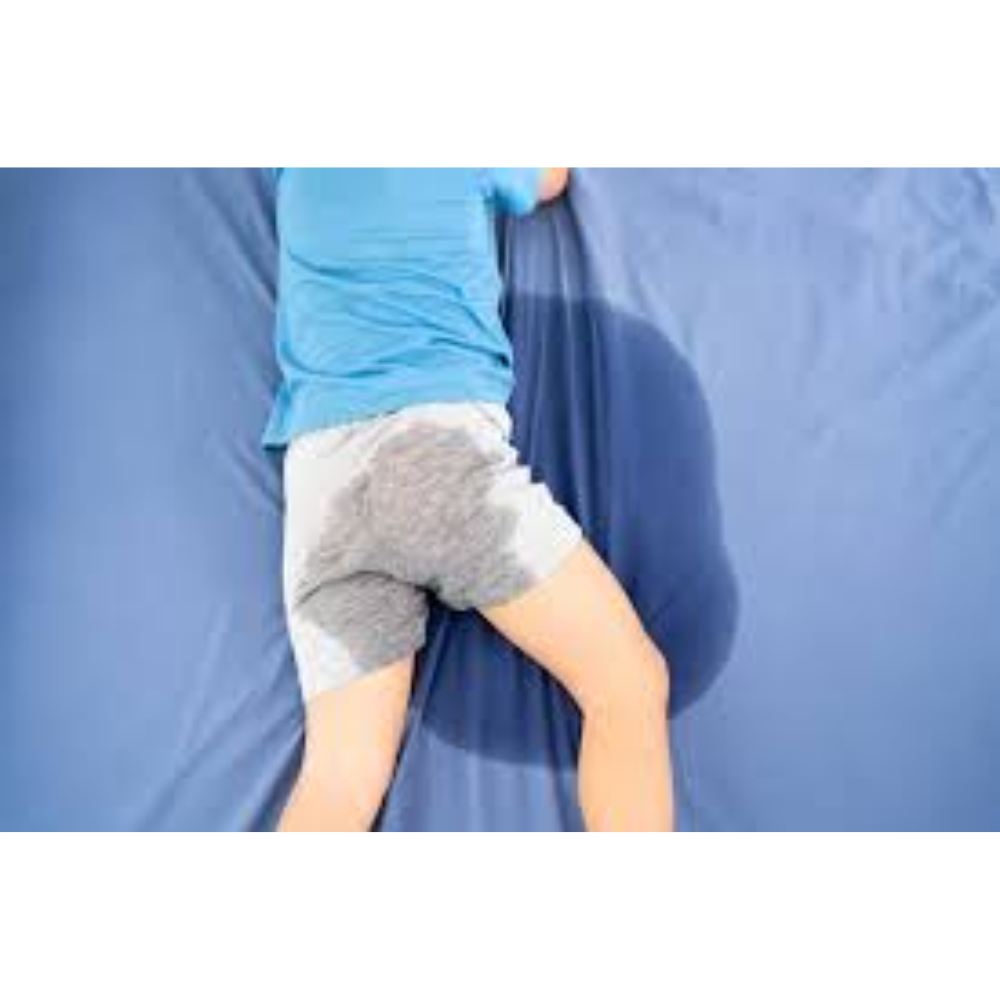
Bed Wetting (Nocturnal Enuresis)
What is Bed Wetting (Nocturnal Enuresis)?
Bed wetting, also known as nocturnal enuresis, refers to the involuntary urination during sleep in children or adults who should have the bladder control necessary to stay dry through the night. It is common in children but can also occur in adults, particularly in cases of stress, medical conditions, or medications. In many cases, bed wetting is outgrown, but it can be distressing and lead to psychological stress if it persists into later childhood or adulthood.
Causes of Bed Wetting (Nocturnal Enuresis)
- Immature Bladder Control:
- In children, the nervous system may not be fully developed to control the bladder at night.
- A family history of bed wetting increases the likelihood of it occurring in children.
- Some individuals, especially children, may sleep so deeply that they do not wake up to the sensation of a full bladder.
- Infections can cause bladder irritability, leading to bed wetting.
- A full bowel can put pressure on the bladder, leading to leakage or bed wetting.
- A deficiency in the hormone ADH (antidiuretic hormone), which helps reduce nighttime urine production, can cause bed wetting.
- Stress, anxiety, or major life changes, like starting school or a family move, can contribute to nocturnal enuresis.
- Conditions like diabetes, bladder abnormalities, or neurological disorders can also cause bed wetting in children or adults.
Symptoms of Bed Wetting
- Involuntary urination during sleep: Occurs at night or in the early morning hours.
- Frequency: Bed wetting may happen a few times per week or more frequently, depending on the underlying cause.
- Accidents during sleep: The child or adult is unaware of urinating during sleep.
- Daytime symptoms: In some cases, there may be daytime urinary urgency or accidents as well.
- Discomfort: In older children or adults, bed wetting may cause embarrassment, guilt, and anxiety.
- Persistent wetting: If bed wetting continues beyond the age when it is typically outgrown (usually by 5-6 years), it may indicate an underlying medical or psychological issue.
Diagnosis of Bed Wetting
- Physical Examination:
- A healthcare provider will assess the child’s overall health, bladder function, and physical condition to rule out underlying medical causes.
- Urine tests help identify any infections, blood in the urine, or other abnormalities.
- An ultrasound may be used to examine the kidneys or bladder for structural issues.
- Keeping track of fluid intake, urine frequency, and bed wetting episodes may help identify patterns or triggers.
- In some cases, testing the child’s neurological development and function may be necessary.
Homeopathic Treatments for Bed Wetting (Nocturnal Enuresis)
Homeopathy aims to treat the root cause of bed wetting by addressing underlying physical and emotional issues. It focuses on individualized remedies based on the patient's overall health, constitution, and symptoms.
Common Homeopathic Remedies for Bed Wetting
- Causticum:
- For children who experience involuntary urination, especially in deep sleep, and have a tendency to wet the bed during the night. The remedy is also useful if the child feels anxious about the bed wetting.
- Suitable for children who wet the bed despite being older, often with a strong, offensive odor to the urine. It is helpful when bed wetting occurs frequently, especially after midnight.
- A remedy for children who experience bed wetting with other symptoms like skin irritation, irritation of the genitals, or poor hygiene. It is often helpful for children who experience hot flushes or excessive sweating.
- Useful for sudden bed wetting that occurs after a fright, shock, or emotional stress. Belladonna can be used when there is urgency and a sudden urge to urinate.
- Indicated for individuals who experience frequent urination with bed wetting, especially when the person feels a burning sensation in the bladder or lower abdomen.
- For children or adults who experience bed wetting along with a lack of energy, emotional imbalance, or irritability. It is also helpful when there is a history of hormonal issues.
Usage Guidelines
- Potency: Remedies are usually used in potencies like 30C, 200C, or higher.
- Dosage: It is essential to consult a qualified homeopath for individualized treatments and dosages based on your or your child’s symptoms.
Ayurvedic Treatments for Bed Wetting (Nocturnal Enuresis)
Ayurveda treats bed wetting through balancing the body’s doshas (Vata, Pitta, and Kapha) and addressing underlying causes, such as urinary tract health, emotional disturbances, or hormonal imbalances.
Ayurvedic Herbs for Bed Wetting
- Ashwagandha (Withania somnifera):
- Known for its calming and rejuvenating properties, Ashwagandha can help reduce stress and anxiety that may contribute to bed wetting.
- This herb helps balance the hormonal system, particularly in children, and can regulate urine production and bladder control.
- Useful for improving kidney and urinary tract function, Gokshura helps strengthen bladder control and reduce frequent urination.
- Known for its calming and cognitive-enhancing effects, Brahmi can help reduce stress and improve sleep patterns, thus aiding in the management of bed wetting.
- Helps with urinary tract health and can be used to strengthen the bladder and prevent urinary incontinence.
Ayurvedic Therapies for Bed Wetting
- Panchakarma:
- Virechana (purgation therapy) and Basti (enema therapy) can be used to cleanse the body and balance the doshas.
- Regular oil massage using Bala Ashwagandha oil or Mahanarayan oil can help strengthen the nervous system and promote relaxation, improving bladder control.
- Using herbal oils like Anu Taila in the nasal passages helps balance the Vata dosha and calms the nervous system, improving overall function.
- Yoga poses that strengthen the pelvic region and improve circulation can help with bladder control. Breathing exercises (pranayama) can reduce stress and anxiety, which are often triggers for bed wetting.
Dietary Recommendations
- Increase Water Intake During the Day:
- Ensure sufficient hydration throughout the day but limit fluid intake close to bedtime to reduce nighttime urination.
- Caffeine and carbonated drinks irritate the bladder and increase urine production.
- Foods like cucumbers, yogurt, and coconut water can help cool the body and improve bladder function.
- Spicy or acidic foods can irritate the bladder, leading to increased urgency or bed wetting.
Lifestyle Tips
- Establish a Bedtime Routine:
- Set a regular bedtime routine that includes using the bathroom before bed.
- Reduce stress and anxiety through meditation, deep breathing, or calming activities.
- Minimize stress by creating a calm environment for the child or adult before bedtime.
- Encourage moderate fluid intake during the day and avoid excessive drinking before bedtime.
Conclusion
Bed wetting (nocturnal enuresis) can be distressing, but it is usually a treatable condition. Both homeopathic and Ayurvedic treatments offer natural and holistic solutions to manage and address the causes of bed wetting. These treatments focus on improving bladder control, reducing stress, and addressing any physical or emotional triggers. Consulting with a qualified professional is essential for personalized treatment plans to ensure the best results.